Mediterranean Diet for Weight Loss: Real Evidence
Olive oil. Fish. Beans. Vegetables. The most-studied eating pattern in human history — with the cleanest evidence for sustained weight management and cardiovascular benefit. The honest version, with food list, recipes, and timeline.
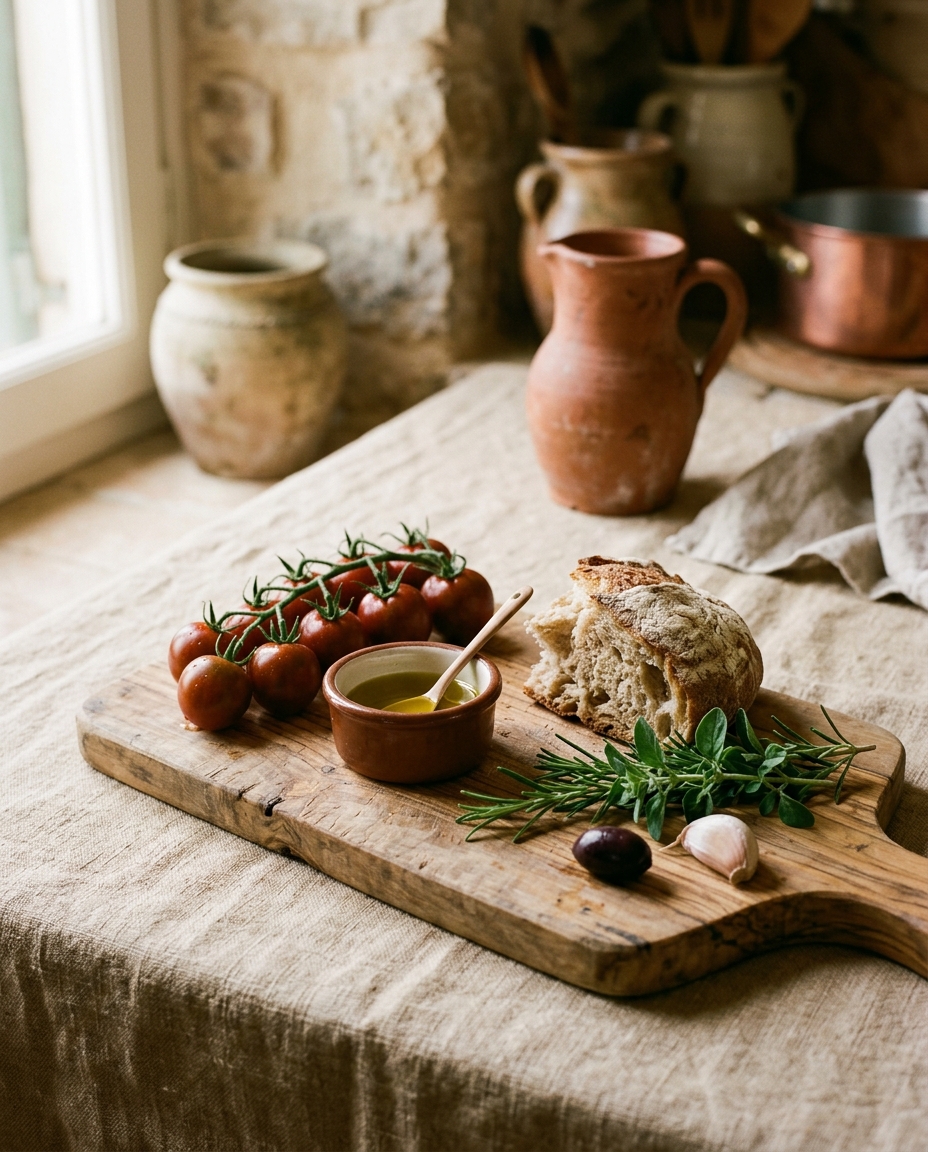
The Mediterranean diet is a whole-food eating pattern built on extra-virgin olive oil, vegetables, legumes, fruit, whole grains, nuts, fish, and moderate dairy — with red meat and sweets as occasional rather than daily. The PREDIMED trial (NEJM, 2018 reanalysis, 7,447 adults) found a Mediterranean-style diet supplemented with olive oil or nuts reduced cardiovascular events by roughly 30%. For weight, expect 5 to 10 lb sustained loss over 12 to 24 months when paired with portion awareness. It's the highest-adherence diet pattern in major head-to-head trials. Slow. Sustainable. Forever.
The honest verdict
The Mediterranean diet is the boring answer to "what should I eat to lose weight" — and "boring" is exactly why it works. It doesn't ask you to cut a macronutrient, fast for a window, or buy a special powder. It asks you to swap. Olive oil instead of butter. Beans and lentils instead of cold cuts. Fish twice a week instead of fast-food chicken. Whole-grain bread and pasta in human portions instead of the 1990s American "fat-free pasta plate" portions. Fruit for dessert most nights.
None of those swaps will collapse your scale weight in two weeks. The Mediterranean diet is not a 30-day plan. It's the only major diet pattern with both sustained weight management and reduced cardiovascular events documented in randomized trials lasting over five years. The 2013 PREDIMED trial — and its 2018 reanalysis after a methodological audit — remains the cleanest cardiovascular nutrition evidence in modern medicine.
For someone whose food environment is American — drive-throughs, processed snacks, soft drinks, ultra-processed convenience meals — the Mediterranean shift is a real upgrade. For someone whose food environment already looks Mediterranean — Italian, Greek, Spanish, southern Levantine — there's not much to upgrade. Eat the way your grandmother ate.
How it actually works
The Mediterranean diet doesn't have a single magic mechanism. It has several modest ones that compound:
- Higher fiber satiety. Beans, vegetables, whole grains, fruit, and nuts — all high in fiber. Fiber slows gastric emptying, blunts post-meal blood glucose, and feeds gut bacteria that produce short-chain fatty acids linked to satiety. The natural calorie ceiling is lower without trying.
- Monounsaturates instead of refined seed oils. Extra-virgin olive oil is mostly oleic acid plus polyphenols. Replacing butter, refined seed oils, and processed-food fats with EVOO shifts inflammatory markers down in trial after trial.
- Adequate protein from beans, fish, and eggs. Not a high-protein diet by gram count, but enough — protein at most meals — to support muscle and satiety without the saturated-fat load of a Western diet.
- Lower added-sugar load. Dessert is fruit. Sweets are occasional. The drink is water, sometimes wine. Soft drinks and sweetened lattes — the biggest invisible calorie source in the American diet — almost vanish.
- Polyphenol load. Extra-virgin olive oil, red wine, dark fruit, herbs, vegetables, dark chocolate, tea — the Mediterranean pattern is dense in plant polyphenols, which appear to modulate gut microbiome composition and inflammation in ways that translate to better metabolic markers.
What the trials showed
- PREDIMED (NEJM, 2018 reanalysis) — 7,447 high-cardiovascular-risk Spanish adults, 4.8 years. Mediterranean diet plus extra-virgin olive oil or nuts reduced major cardiovascular events by ~30% vs a low-fat control. Modest weight loss, large mortality benefit.
- Lyon Diet Heart Study (Circulation, 1999) — Adults post-heart-attack on Mediterranean diet had 50-70% lower recurrence over four years vs prudent Western diet.
- DIRECT trial (NEJM, 2008) — 322 adults, two years. Mediterranean diet produced 4.4 kg weight loss vs 2.9 kg for low-fat. Adherence was higher than for Atkins.
- PREDIMED-Plus (Annals of Internal Medicine, 2023) — Energy-restricted Mediterranean plus physical activity in 6,874 adults: 3.3 kg greater weight loss at 3 years vs ad-libitum Mediterranean control. Maintenance was the win.
The body of evidence is large, replicated, and consistent. It's also not promising you 20 lb in 30 days. It's promising you a slightly smaller body, a meaningfully healthier heart, and a higher chance of being alive in 10 years.
Who eats this way (and what they actually eat)
Mediterranean is the eating pattern celebrities most often name when they talk honestly about food.
Ryan Seacrest's olive-oil shot
Ryan Seacrest has spoken publicly about taking a tablespoon of extra-virgin olive oil each morning and following a Mediterranean-leaning diet — vegetables, fish, olive oil, moderate grains. He dropped about 30 pounds at 50 with this pattern paired with Pilates and resistance training. The olive oil itself isn't the trick. The pattern around it is.
Lainey Wilson's tour-bus eating
Country star Lainey Wilson has talked about her tour-bus food — leaning on whole foods, vegetables, lean proteins, and cutting the late-night fast food that dominates touring life. Not strictly Mediterranean labeled, but the swap is the same: whole foods replacing ultra-processed ones.
Lizzo's post-vegan reset
Lizzo's 2023 to 2025 reset involved dropping vegan and adding whole-food protein — fish, chicken, beef — alongside vegetables, rice, and fruit. The Mediterranean pattern overlaps heavily: animal protein in moderation, plants as the volume, whole grains in human portions.
What to expect, week by week
- Week 1: Energy stable. Some bloating from the fiber jump if your previous diet was low-fiber. Your sodium intake drops because you're eating less ultra-processed food, so you may feel mildly tired or have a faint headache for a few days. Push hydration.
- Week 2 to 4: Cravings for sugar and salt fade. Most people lose 1 to 3 lb. Sleep often improves because dinner is earlier and lighter and the alcohol load is lower.
- Month 2 to 3: Steady 0.5 to 1 lb per week if you're in a real deficit. Skin is often the first place people notice change — clearer, less puffy. Lipid panel begins shifting (HDL up, triglycerides down) by month three in most trial populations.
- Month 6: 8 to 15 lb is typical for someone starting at obesity baseline. Resting blood pressure drops in trial averages by 4 to 6 mmHg systolic. Energy stamina improves. The food itself stops feeling like a "diet."
- Year 1 and beyond: The PREDIMED-Plus and Mediterranean cohort data say adherence is 60-70% at one year — about double the adherence rate for low-fat or low-carb interventions. The diet works long-term because nobody hates it.
Caveats and cautions
- It's still calories. "Mediterranean" doesn't mean unlimited. Olive oil is dense; nuts are dense; whole-grain bread eaten in 1990s pasta-bowl portions is still a calorie surplus. Use our calorie deficit calculator to set a real intake floor.
- Wine is optional, not prescribed. Don't start drinking for "the Mediterranean benefit." The wine-and-cardiovascular literature has been weakening for a decade. If you don't drink, don't.
- Watch the bread default. The Mediterranean diet is not a bread diet. The actual pattern has bread at most meals in small portions — not a baguette in addition to pasta. Lizzo's "I was over-relying on bread" is the trap to avoid.
- Fish-mercury limits during pregnancy. Pregnant readers should follow the FDA/EPA advisory on which fish to favor (salmon, sardines, anchovies) and which to limit (tuna, swordfish, king mackerel).
- Olive oil quality matters. Most "extra-virgin" olive oil sold in US supermarkets is not authentic. Look for harvest dates within 18 months, single-country origin (not "blend"), and dark glass bottles. The polyphenol content is what the trials used.
Stack it with
- Recipes that fit:
- 7-day Mediterranean-leaning meal plan — exact meals and shopping list
- Smoothie recipes that fill you up — Mediterranean-friendly Greek yogurt and berry breakfasts
- Healthy snacks with realistic macros — olives, nuts, hummus, whole-grain crackers, real-food snacking
- Chia seed water — fits the polyphenol-and-fiber pattern, no marketing required
- Pink salt trick — what people actually mean
- Tools:
- Calorie deficit calculator — set a sustainable intake
- BMI calculator — starting reference
- How-to guides that pair:
- How much water to drink while shifting your diet
- How many steps a day to lose weight
- Is rice good for weight loss? — yes, in human portions
How it compares to other methods
- Intermittent fasting stacks beautifully with Mediterranean. Eating Mediterranean foods inside an 8-hour window combines the modest IF deficit with the cardiovascular pattern.
- A walking program is the canonical pairing. The Blue Zones longevity research consistently links Mediterranean + daily walking to the longest-lived populations on earth.
- Pilates and yoga add the muscle-preservation and stress-reduction layer the diet alone doesn't.
- Versus Ozempic — for someone who hasn't tried the basics, Mediterranean is the first move. It addresses the upstream eating environment that the medication only patches.
FAQ
Is the Mediterranean diet good for weight loss?
Yes, modestly and sustainably. Multiple trials show 5 to 10 lb sustained loss over 12 to 24 months when paired with portion awareness. The PREDIMED trial (NEJM, 2018 reanalysis) found a Mediterranean-pattern reduced cardiovascular events by 30% — a benefit independent of weight loss itself. It's not a fast-loss diet. It's a forever pattern.
What's actually on the Mediterranean diet food list?
Daily: olive oil as primary fat, vegetables, fruit, whole grains, legumes, nuts, herbs. Weekly: fish 2-3 times, poultry, eggs, plain yogurt, a little cheese. Monthly or rare: red meat, sweets, refined grains. Wine in moderation if you already drink it (don't start). Avoid: ultra-processed foods, sugary drinks, processed meat, refined seed oils.
Can I eat bread and pasta on the Mediterranean diet?
Yes — whole-grain bread and pasta are part of the traditional pattern. Portion is the trick. A Mediterranean lunch is more vegetables and beans than pasta, and the pasta is dressed with olive oil, garlic, and tomatoes — not a half cup of cream. Refined white bread eaten in volume is closer to the American pattern than to the actual Mediterranean one.
Mediterranean diet vs keto for weight loss?
Keto produces faster early loss (largely water and glycogen). Over 12 months, head-to-head trials show similar weight loss, but Mediterranean wins on adherence, cardiovascular outcomes, and lipid profile. Keto raises LDL in many people; Mediterranean lowers it. For long-term metabolic health, Mediterranean has the cleaner data.
Does olive oil actually help you lose weight?
Olive oil itself isn't a weight-loss food — it's 120 calories per tablespoon. The benefit is what it replaces. Swapping butter, refined seed oils, and salad-bar dressing for extra-virgin olive oil shifts your fat profile toward monounsaturates and polyphenols, both of which the PREDIMED Plus and Mediterranean cohort data link to lower cardiometabolic risk and modest weight benefit at the population level.
How long does it take to lose weight on the Mediterranean diet?
Slower than calorie-counting. Expect 1 to 2 lb in the first month, then steady 0.5 to 1 lb per week if you're in a real calorie deficit. Most people who lose 10+ lb on this pattern do so over 6 to 12 months. The win is that they keep it off — adherence at 12 months is the highest of any major diet pattern in head-to-head trials.
Is the Mediterranean diet expensive?
It can be cheap or expensive depending on how you shop. Expensive: imported San Marzano tomatoes, fancy single-origin olive oil, fresh fish three times a week. Cheap: dried beans, lentils, frozen vegetables, whole-grain pasta, bulk olive oil from Costco, canned sardines. The traditional Mediterranean pattern was a peasant diet. It still can be.
Read more on Real Easy Diet
- 7-day Mediterranean-leaning meal plan
- Mediterranean-friendly smoothies
- Mediterranean snacks with real macros
- Chia seed water
- Ryan Seacrest's Mediterranean-leaning routine
- Lainey Wilson's whole-food eating
- Lizzo's post-vegan whole-food shift
- Walking — the canonical Mediterranean pairing
- Intermittent fasting (stacks with Mediterranean)
- Calorie deficit calculator
- Water targets
- How many steps a day
Sources
- Estruch R et al. — Primary Prevention of Cardiovascular Disease with a Mediterranean Diet (PREDIMED reanalysis), NEJM 2018
- de Lorgeril M et al. — Mediterranean Diet, Lyon Diet Heart Study, Circulation 1999
- Shai I et al. — Weight Loss with a Low-Carbohydrate, Mediterranean, or Low-Fat Diet (DIRECT), NEJM 2008
- Salas-Salvadó J et al. — PREDIMED-Plus 3-year results, Annals of Internal Medicine 2023
- Harvard Health — A practical guide to the Mediterranean diet
- Mayo Clinic — Mediterranean diet
- Oldways — Traditional Mediterranean Diet pyramid
A printable plan that refuses to count almonds.
Four-week schedule. Grocery list. Swap rules. No "fat-burning loophole." No app to download. You print it, you stick it on the fridge, you eat real food.
- 4-week schedule
- Grocery PDF
- Swap rules
- No app, no fees