Sugar Defender vs Gluco6: Blood Sugar Support, Honestly Compared
Two ClickBank blood-sugar formulas marketed at the same crowd: adults 40+ who feel the slow grind of glucose-driven weight gain. We pulled both labels and put the actives next to the actual research.
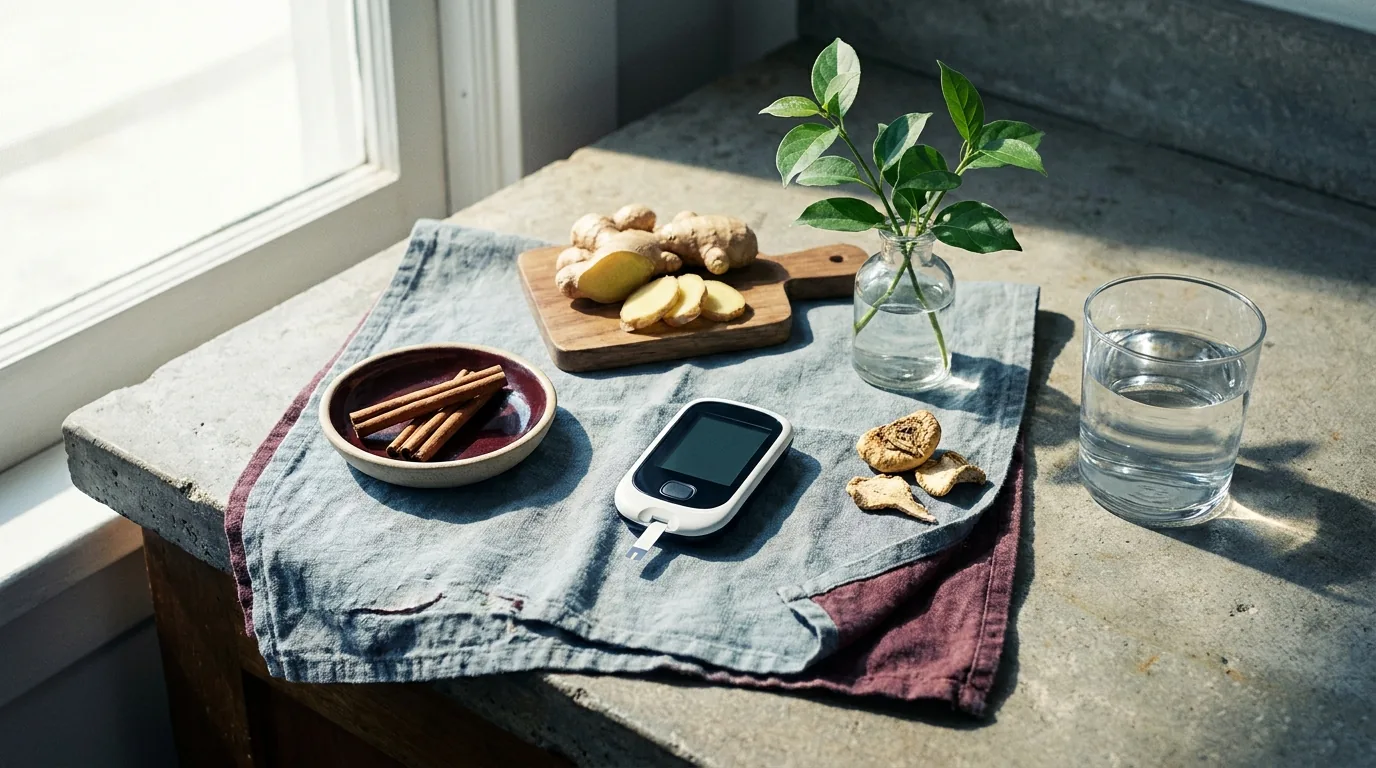
If you want a daily liquid you take with breakfast, Sugar Defender is the broader botanical play — eight ingredients, dual blood-sugar-and-weight angle, recurring auto-ship. If you want a tighter capsule with fewer variables, Gluco6 is the simpler bet — five actives, shorter list, same blood-sugar audience. Neither replaces medication. Neither is FDA-approved for diabetes. Both are adjuncts, at best, and only with a doctor's review of your prescription stack.
Before we go further: this comparison was originally requested as Sugar Defender vs GlucoTrust. GlucoTrust isn't in our verified ClickBank offer source as of May 2026, so we swapped to Gluco6 — which is in the source, and which is explicitly flagged as Sugar Defender's sister offer in the marketplace. The audience overlaps almost completely. The comparison is the same conversation.
Side-by-side: the comparison table
| Factor | Sugar Defender | Gluco6 |
|---|---|---|
| Mechanism pitch | Blood-sugar regulation + weight loss | Blood-sugar support + secondary weight benefit |
| Format | Liquid drops (sublingual) | Capsule (1/day with water) |
| Active count | Eight | Five |
| Headline ingredients | Eleuthero, coleus, gymnema, ginseng, chromium, guarana, maca, African mango | Sukre, TeaCrine, gymnema sylvestre, chromium, cinnamon bark |
| Daily routine | Drops under tongue, 1×/day | Capsule with breakfast, 1×/day |
| Best for | Adults 40+ with weight + blood-sugar overlap | Adults 40+ pre-diabetic, prefer capsules |
| Recurring billing | Yes (auto-ship) | No |
| Avg affiliate payout* | ~$148/sale + recurring | ~$142/sale |
| Full review | Sugar Defender review | Sales page → |
*Affiliate payout numbers are disclosed because they're how we keep ourselves honest about coverage decisions. We rank by ingredient honesty, not commission rate.
How Sugar Defender actually works (the pitch and the reality)
Sugar Defender's pitch is dual-purpose: regulate blood sugar and burn fat. The dual framing is the marketing innovation here — most blood-sugar supplements aim at the diabetes-adjacent crowd; Sugar Defender goes for the bigger overlap of "blood sugar plus weight gain." That overlap is real. Insulin resistance correlates with weight gain because chronically elevated insulin drives appetite and fat storage. Get the blood sugar steadier and the cravings get steadier.
The actives in Sugar Defender's eight-ingredient blend split into two camps. The blood-sugar camp: gymnema sylvestre (which has decent human trials for fasting glucose moderation), chromium (mixed but real signal), and ginseng (modest insulin-sensitivity literature). The energy/metabolism camp: guarana (caffeine source), eleuthero (adaptogen), maca (libido and energy support), coleus (forskolin source), and African mango (fiber-driven satiety claims).
The honest read: a few of these have legitimate human-trial bases at specific doses. The rest are filler-with-marketing-equity. The eight-ingredient structure is a tell — it's how supplement makers signal "comprehensive" while keeping individual doses below what trials used. The sublingual-drops format is a marketing innovation, not a bioavailability one — there's no peer-reviewed evidence that the sublingual route changes how chromium or gymnema perform.
How Gluco6 actually works (the pitch and the reality)
Gluco6 takes the opposite design philosophy — fewer ingredients, tighter list, less "comprehensive" framing. Five actives: Sukre (a proprietary mannose-based sweetener compound), TeaCrine (a caffeine analog), gymnema sylvestre (the same blood-sugar workhorse Sugar Defender uses), chromium (ditto), and cinnamon bark (the most-studied culinary blood-sugar active in the consumer literature).
The shorter list is, on balance, honest — fewer ingredients at unknown doses is structurally better than more ingredients at unknown doses, because it reduces the surface area for sub-therapeutic dosing across the formula. The Sukre and TeaCrine pieces are where the proprietary marketing equity lives; both are branded ingredients, which means there's at least some manufacturer-funded research, which is useful but should be read with the disclosure in mind.
Cinnamon bark deserves its own paragraph. The Cinnamomum cassia versus Cinnamomum verum distinction matters here — most clinical studies that found blood-sugar effects used cassia at doses around 1-6 grams per day, which is a meaningful amount of an ingredient that contains coumarin (a compound with hepatotoxicity risk at sustained high doses). Gluco6 doesn't disclose which species or what dose, so the "cinnamon helps blood sugar" claim is plausible-but-unverifiable on the label as printed.
Where Sugar Defender and Gluco6 overlap
Both target the same audience: adults 40+ who suspect insulin resistance is driving their weight gain, who aren't on diabetes medication yet (or are on metformin and looking for adjuncts their doctor has cleared). Both use gymnema sylvestre and chromium as the blood-sugar workhorses. Both make weight loss a secondary or implied claim rather than the lead. Both ship through ClickBank with the standard 60-day marketplace refund window. Both are explicitly positioned by their vendors as sister offers in the same SEO and affiliate ecosystem.
Both also share the same hard ceiling: neither replaces medication, neither is FDA-approved, and the American Diabetes Association is on the record that supplements are not a substitute for prescribed care. If your fasting glucose is in the pre-diabetes range (100-125 mg/dL) or higher, the conversation belongs in a doctor's office, not a comparison article — even an honest one.
Where Sugar Defender and Gluco6 really differ
- Format. Liquid drops vs. capsule. The drops format makes Sugar Defender more "ritual" but harder to travel with. Capsules are easier to stash in a vitamin organizer.
- Active count. Eight vs. five. Fewer-is-better at the active level, given the shared problem of undisclosed dosing across the category.
- Caffeine profile. Sugar Defender includes guarana (real caffeine). Gluco6 includes TeaCrine (caffeine analog with milder peak/longer half-life). If you're caffeine-sensitive, neither is ideal — but TeaCrine tends to be gentler.
- Recurring billing. Sugar Defender pushes auto-ship harder. Gluco6 uses bundle pricing without aggressive subscription pressure.
- Marketing-claim ambition. Sugar Defender leads with the dual blood-sugar-and-weight pitch. Gluco6 keeps weight loss as a secondary benefit. The quieter pitch is structurally easier to defend.
Who each one is genuinely for
Sugar Defender fits the reader who: wants a "doing something" liquid ritual in the morning, has stable blood sugar but suspects insulin resistance is the weight-gain driver, doesn't mind subscription billing, and wants the broader botanical hedge across multiple actives.
Gluco6 fits the reader who: prefers capsules, wants a tighter ingredient list, is closer to the pre-diabetic edge, is sensitive to traditional caffeine but tolerates TeaCrine, and is wary of subscription traps.
Neither fits the reader who: is on metformin or insulin without a doctor's review, is pregnant or breastfeeding, has a confirmed thyroid medication regimen (chromium can interfere), or is looking for a replacement for prescribed glucose-management drugs. None of these gates are theoretical — they're the boundaries the American Diabetes Association draws around supplement adjuncts in any blood-sugar context.
What we'd actually pick
Honest answer: a continuous glucose monitor and a ten-week food log will tell you more than either supplement. CGMs have come down in price (some Dexcom and Stelo models are now under $90/month), and they will show you exactly which meals spike your blood sugar — which is the variable both of these products are obliquely trying to address.
But if you'd rather start with a supplement, we'd lean Gluco6 for one reason: shorter ingredient list with at least one (cinnamon bark) and arguably two (gymnema, chromium) actives that have real-but-modest human-trial data. Fewer variables, fewer mystery doses, and no auto-ship to fight off later. Sugar Defender's eight-ingredient blend has more marketing surface area but less defensible dosing math.
Either way: tell your doctor before you start. Both products contain actives that interact with prescribed glucose drugs. The downside risk of stacking gymnema with metformin without a check-in is real and worth taking seriously.
Read the labels for yourself
FAQ
Are Sugar Defender or Gluco6 a substitute for diabetes medication?
No. Neither product is a drug, neither is FDA-approved for diabetes treatment, and neither replaces metformin, insulin, or any other prescribed medication. The American Diabetes Association is explicit that supplements are at most adjuncts — and only with a doctor's input, because chromium, gymnema, and cinnamon can interact with prescribed glucose drugs and amplify hypoglycemia risk.
Which has more transparent dosing?
Both products list ingredients but neither publishes a full per-active dose disclosure on the public-facing label. Gluco6 has a shorter ingredient list (five actives), which makes the per-dose math less ambiguous — even without a full breakdown. Sugar Defender's eight-ingredient blend leaves more room for any single active to be at sub-therapeutic levels.
Can you take them together?
We'd advise against it. The two formulas overlap on chromium and gymnema territory, which means stacking risks doubling those actives at unknown doses — and chromium specifically can cause GI upset and interact with thyroid medication. Pick one. Run it for eight to twelve weeks. Re-test fasting glucose if your doctor agrees.
Which one ships with a longer guarantee?
Both ship through ClickBank, which enforces a standardized 60-day refund window at the marketplace level. Both brands advertise longer brand-side guarantees on their sales pages. Read the fine print on shipping requirements before buying — return windows have specific conditions that you have to actually follow to get refunded.
Is there real research behind the actives in either product?
Yes — at the individual-ingredient level. Gymnema sylvestre has decent published trials for blood sugar and craving moderation. Chromium has a large but mixed literature. Cinnamon has small but real signals. The catch repeats across the category: the formulas themselves haven't been published as a finished product. Treat the actives as plausible. Treat the headline claims as marketing.
Will either of these help me lose weight?
Indirectly, possibly. The connection between insulin sensitivity and weight regulation is real and well-documented — better blood sugar control tends to reduce snack-craving spikes and the calorie creep that comes with them. Neither supplement causes weight loss directly. Both could reduce one specific friction point if the underlying biology is the bottleneck for you.
Why isn't GlucoTrust in this comparison?
GlucoTrust isn't currently in our verified ClickBank offer source as of May 2026. Gluco6 is — and it's explicitly positioned as Sugar Defender's sister offer in the marketplace. We don't write reviews for offers we can't verify. If GlucoTrust returns to active marketplace status, we'll add a separate piece.
More comparisons & reviews
- Sugar Defender — full ingredient review
- Liv Pure vs Sumatra — liver vs sleep angles
- Puravive vs Java Burn — capsule vs coffee additive
- Best weight loss supplements: full hub
- Does cinnamon help with weight loss?
Sources
- American Diabetes Association — Dietary supplements and diabetes
- NIH NCCIH — Diabetes and Dietary Supplements: What You Need To Know
- Suksomboon N et al. — Cinnamon for type 2 diabetes meta-analysis, JCPT 2013
- Leach MJ — Gymnema sylvestre for diabetes mellitus systematic review, JACM 2007
- NIH ODS — Chromium fact sheet for health professionals
- Examine.com — Independent supplement research database
A printable plan that refuses to count almonds.
Four-week schedule. Grocery list. Swap rules. No "fat-burning loophole." No app to download. You print it, you stick it on the fridge, you eat real food.
- 4-week schedule
- Grocery PDF
- Swap rules
- No app, no fees